Global sporting events like the FIFA World Cup create some of the largest brand activation opportunities in the world. Beyond the stadium itself, companies, sponsors, and media partners build immersive fan environments designed to engage audiences, showcase partnerships, and create memorable experiences.
Experiential fan zones have become a central component of modern sporting events. These spaces allow brands to host guests, connect with fans, and extend the excitement of the tournament into large-scale hospitality and activation areas.
For corporate planners and experiential agencies preparing for major international sporting events, thoughtful design and layout planning are essential to building fan zones that are both engaging and operationally efficient.
The Role of Fan Zones in Global Sporting Events
Fan zones are designed to extend the energy of the tournament beyond the match venue. They provide a place where supporters can gather, watch games, participate in brand activations, and interact with sponsors.
These environments often include:
- large viewing areas
- hospitality lounges
- sponsor activation spaces
- food and beverage zones
- interactive brand experiences
For brands, fan zones offer an opportunity to create a strong presence while providing guests with a comfortable and engaging environment.
Designing Lounge Environments for Sponsor Engagement
One of the most effective ways to encourage longer guest engagement is through thoughtfully designed lounge environments. Comfortable seating areas allow attendees to relax, network, and spend more time within the activation space.
Lounge seating arrangements are commonly used for:
- VIP hospitality areas
- sponsor lounges
- networking environments
- guest waiting areas
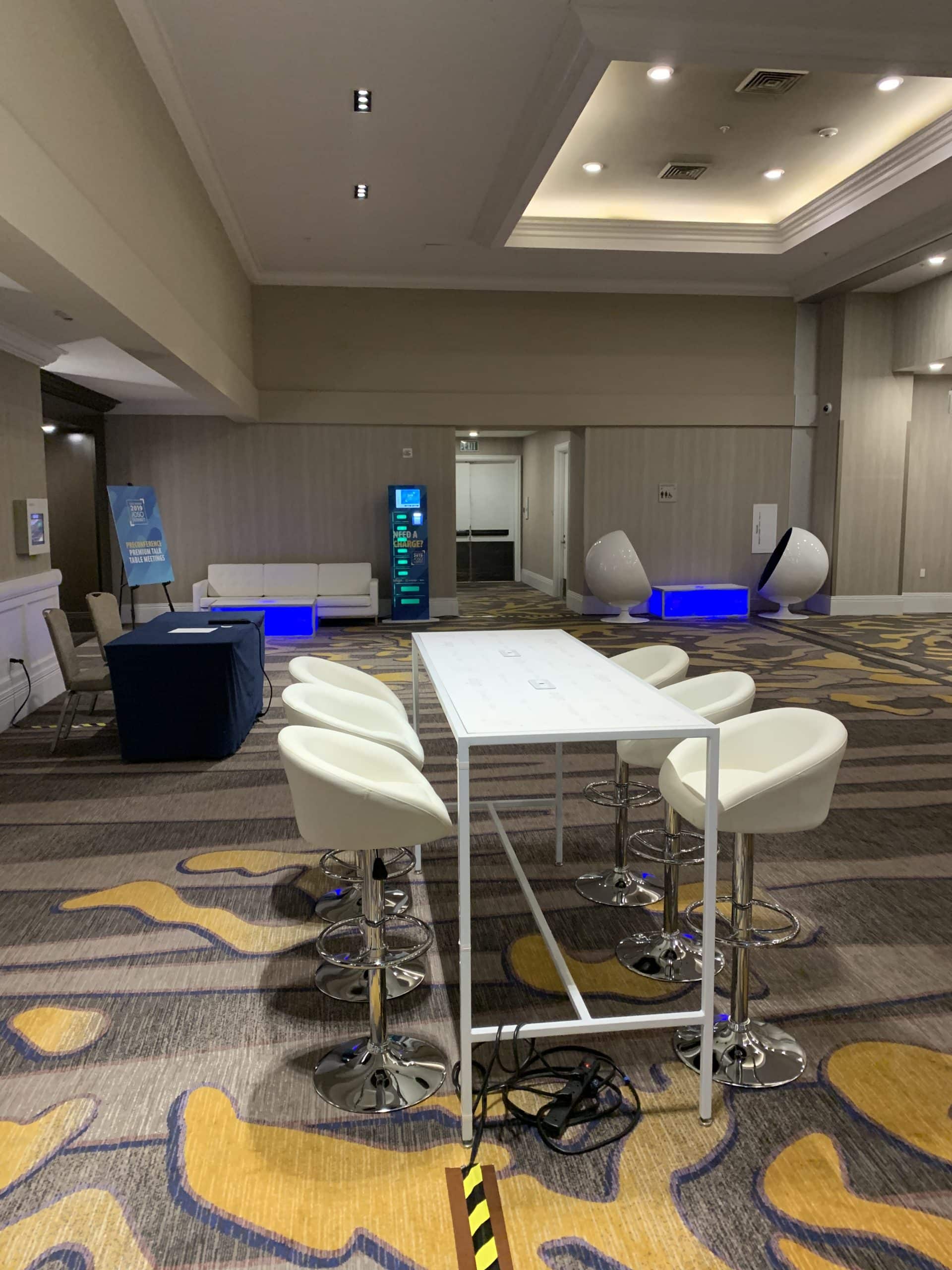
Modular lounge sofas, accent chairs, and ottomans can be arranged in clusters that support conversation while maintaining clear pathways for movement throughout the space.
Coffee and end tables help define seating groups and provide surfaces for drinks, promotional materials, and branded elements.
Creating Visual Impact with LED and Scenic Features
Large sporting events require environments that are visually dynamic while still maintaining a professional and organized layout.
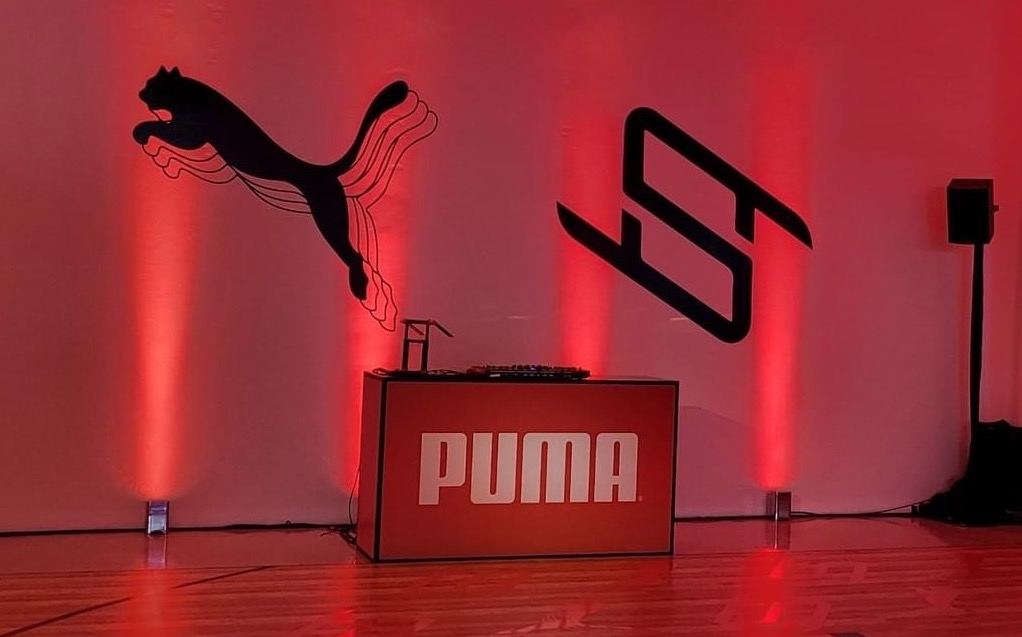
LED furniture and scenic installations are often used to create focal points within fan zones. These elements can highlight sponsor areas, reinforce branding, and add visual energy during evening events.
Common visual features include:
- illuminated seating elements
- LED accent pieces
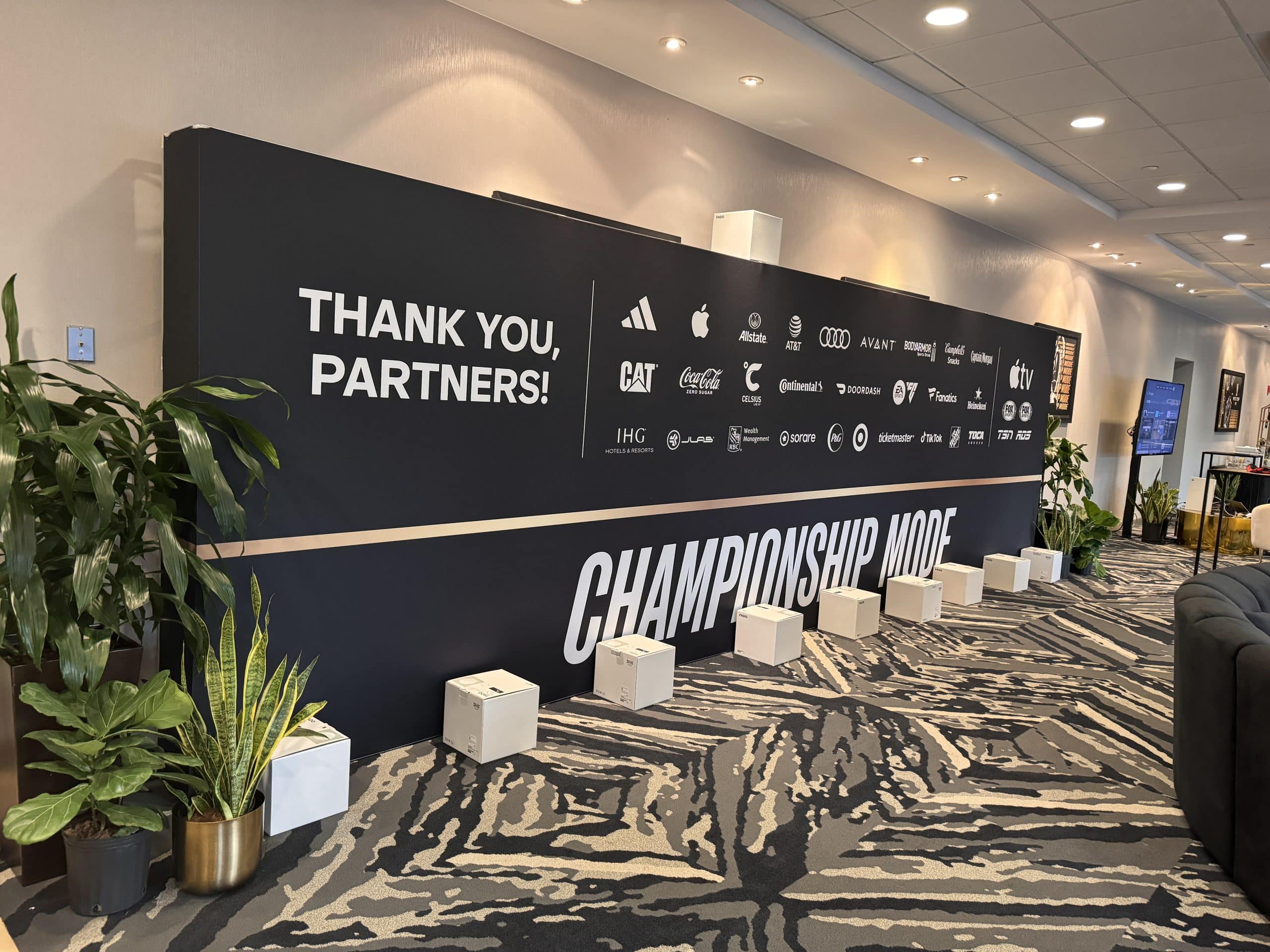
- branded scenic structures
- display pedestals for merchandise or sponsor products
When used strategically, these elements help guide guests through the activation space while reinforcing the event’s visual identity.
Planning Bar and Hospitality Areas
Food and beverage zones are often the most active areas within a fan zone environment. Strategically positioned bar setups can encourage natural gathering points while maintaining balanced traffic flow.
Bar environments can include:
- central hospitality bars
- cocktail table networking areas
- VIP beverage stations
Bar tables and standing-height furniture are often placed near these areas to create casual conversation zones where guests can interact without needing full lounge seating.
When positioned correctly, hospitality areas become social hubs that support both fan engagement and sponsor hosting.
Managing Traffic Flow in High-Volume Event Environments
Large fan activations must accommodate significant foot traffic, especially during match times or peak event periods. Clear pathways and thoughtful layout planning help prevent congestion while maintaining accessibility across the activation space.
Effective traffic planning includes:
- wide walkways between lounge areas
- clearly defined entry and exit points
- separation between viewing zones and hospitality spaces
- open sightlines to screens and stage areas
This approach ensures that guests can move freely while still encouraging them to spend time within different areas of the fan zone.
Outdoor Event Considerations for Fan Zones
Many fan experiences take place outdoors in plazas, parks, or open event spaces surrounding major sporting venues. Outdoor furniture designed for durability and weather resistance is essential for maintaining both comfort and safety.
Outdoor event layouts often incorporate:
- weather-resistant seating
- shaded lounge areas
- open gathering zones
- flexible seating arrangements for changing crowd sizes
These environments must balance comfort with the ability to quickly adapt to evolving event conditions.
Bringing the Experience Together
Successful fan zones combine hospitality, brand activation, and audience engagement into a single cohesive environment. For experiential planners and corporate sponsors, the goal is to create spaces where fans can celebrate the event while interacting with brands in meaningful ways.
By combining lounge environments, activation spaces, hospitality areas, and visually engaging design elements, fan zones can transform a sporting event into a memorable brand experience.
As global events like the FIFA World Cup continue to grow in scale and influence, experiential fan zones will remain one of the most powerful tools for connecting fans, brands, and sponsors.
FAQ: Experiential Fan Zones for Major Sporting Events
What is a fan zone at a major sporting event?
A fan zone is a large experiential event space created around major sporting events where fans can gather to watch games, participate in sponsor activations, and enjoy hospitality environments. These spaces often include lounge seating, viewing screens, brand activations, and food and beverage areas.
How do brands use fan zones during events like the FIFA World Cup?
Brands use fan zones to host guests, create immersive brand experiences, and engage directly with fans. Corporate hospitality lounges, product activations, and branded environments allow sponsors to connect with audiences in a memorable setting.
What furniture works best for fan zone hospitality areas?
Fan zone hospitality environments typically use a mix of lounge seating, bar tables, coffee tables, and modular seating layouts. These setups create comfortable spaces where guests can relax, socialize, and interact with sponsors during the event.
Why are lounge environments important for experiential events?
Lounge environments encourage guests to stay longer and engage more deeply with the event. Comfortable seating areas provide space for networking, conversations, and brand interactions, making them an important part of experiential event design.
How do event planners manage crowd flow in large fan zones?
Event planners design fan zones with wide walkways, defined entry points, and clearly organized seating areas. Proper layout planning helps reduce congestion while allowing guests to move easily between hospitality areas, viewing zones, and activation spaces.
Are fan zones usually indoor or outdoor environments?
Fan zones can be both indoor and outdoor. Many are built outdoors in plazas, parks, or large open venues near stadiums. Outdoor furniture and flexible seating arrangements are often used to accommodate changing crowd sizes and weather conditions.