Major sporting events have evolved far beyond the competition itself. Today, events like the NFL Draft, Formula 1 races, global tournaments, and championship weekends bring together fans, media, sponsors, and corporate partners in large experiential environments that extend throughout the host city.
For brands, these moments represent valuable opportunities to connect with audiences through immersive experiences. Experiential activations allow companies to host guests, showcase products, and create memorable environments that strengthen relationships with clients and partners.
Designing these activations requires careful planning, flexible event infrastructure, and hospitality environments that can support both networking and entertainment throughout the event.
The Growth of Experiential Events Around Sports
Over the past decade, major sporting events have become large destination experiences that include fan festivals, sponsor activations, corporate hospitality events, and branded environments across multiple venues.
Events such as the NFL Draft, Super Bowl week, Formula 1 race weekends, and international tournaments often include hundreds of experiential environments where brands host guests and create immersive activations.
These environments may include:
• corporate hospitality lounges
• branded networking environments
• sponsor activation spaces
• fan engagement areas
• media and partner hospitality events
Experiential activations allow companies to engage audiences in a way that traditional advertising cannot replicate.
Designing Corporate Hospitality Environments
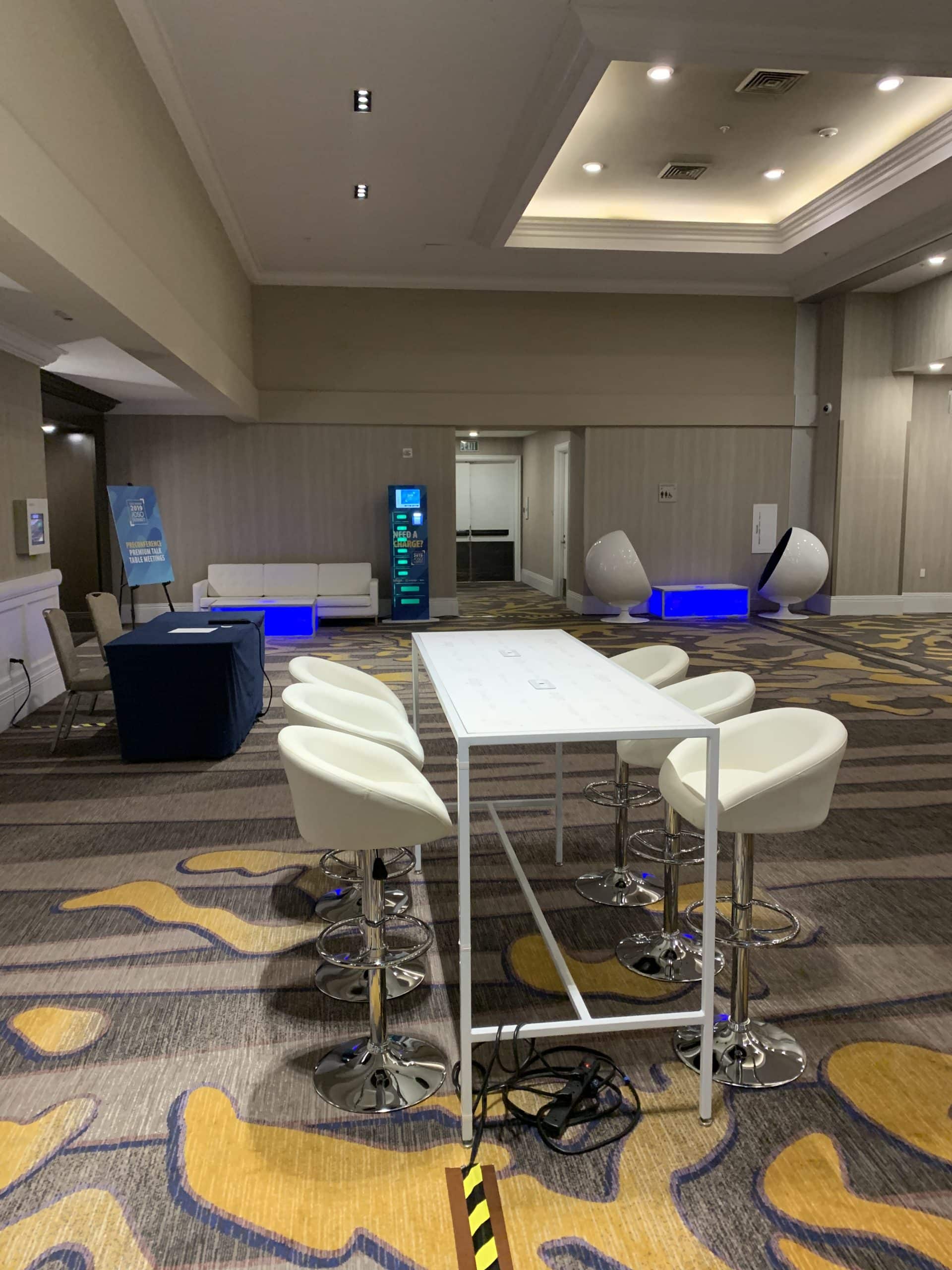
Hospitality lounges are one of the most common elements of sports activations. These spaces provide comfortable environments where guests can gather, network, and experience the event atmosphere.
Successful hospitality lounges typically incorporate:
- lounge seating environments with soft seating clusters
- bar tables and bar stools for casual networking
- hospitality bars and service counters
- coffee tables and accent tables that support conversation
These layouts allow guests to move easily throughout the space while creating areas where conversations can happen naturally.
Soft seating clusters encourage longer interactions and create a welcoming environment for corporate guests and partners.
Creating Branded Activation Spaces
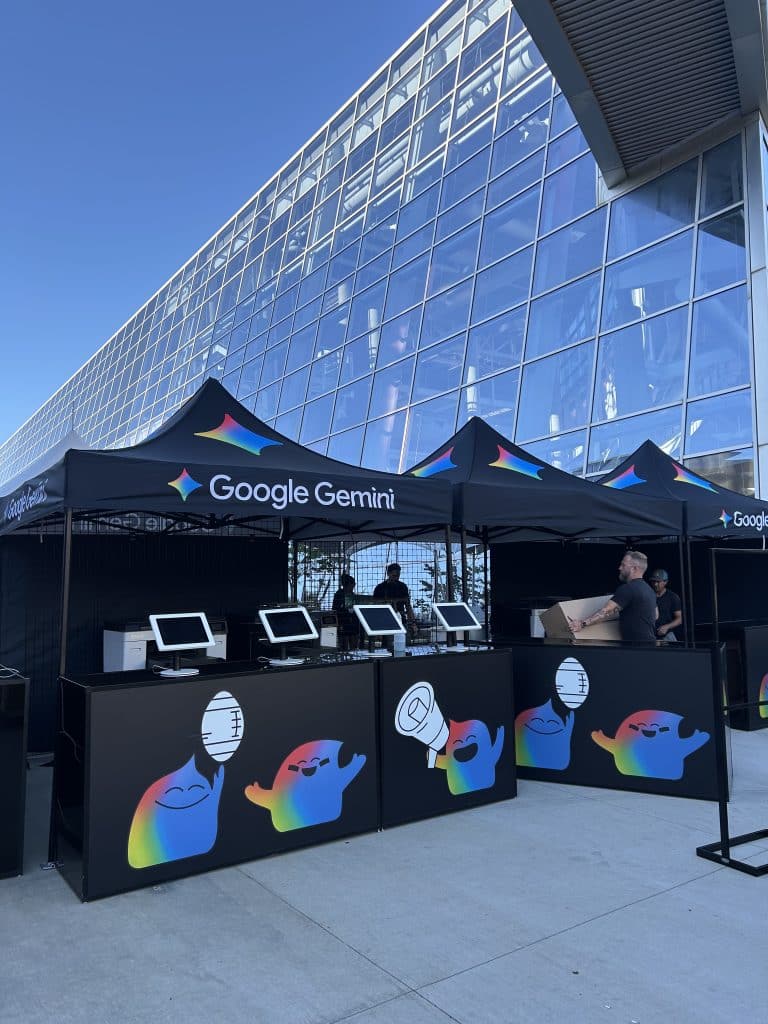
Brand identity plays a central role in experiential activations. Sponsors and corporate hosts often incorporate branded elements throughout the environment to reinforce their presence at the event.
Common branding opportunities include:
• branded hospitality bars and counters
• scenic backdrops and display structures
• furniture wraps and branded graphics
• product display pedestals
Scenic elements and custom branding help transform a hospitality environment into a fully immersive brand experience.
These visual features also support photography and social sharing, which further extends the impact of the activation.
Supporting Large Guest Volumes
Major sporting events often bring thousands of guests through hospitality environments throughout the day. Designing spaces that can handle high guest volumes while maintaining comfort is essential.
Effective event environments often include:
- lounge seating clusters that support multiple conversations
- bar tables and networking zones distributed throughout the space
- hospitality bars positioned as social hubs
- scenic elements that help organize the layout
These design strategies help prevent congestion while allowing guests to interact comfortably throughout the activation.
Experience Supporting Major Sports Activations
Large sporting events require partners who understand how to support complex experiential environments.
Over the years, our team has helped support experiential environments connected to several major sporting events across the United States, including:
• brand activations during the NFL Draft in Kansas City
• corporate hospitality environments during Super Bowl week events
• experiential environments surrounding Formula 1 races in Las Vegas and Austin
These events often require coordinated hospitality infrastructure including lounge seating, networking tables, branded counters, and scenic elements that support sponsor activations.
Experience with these environments allows planners to design spaces that are both visually impactful and operationally efficient.
The Future of Experiential Sports Events
Experiential activations continue to grow as an essential part of major sporting events. Brands increasingly look for ways to create environments where guests can connect with the excitement of the event while engaging directly with the brand.
From the NFL Draft to global sporting tournaments and large racing events, experiential environments have become central to how companies host guests and build relationships around major events.
By combining lounge seating, hospitality bars, networking areas, and scenic branding elements, companies can create memorable experiences that extend far beyond the competition itself.
FAQ
What is an experiential activation at a sporting event?
An experiential activation is an immersive environment created by a brand during a major event where guests can interact with the brand, participate in activities, and experience the event in a unique setting.
Why do companies host hospitality events around sporting events?
Corporate hospitality events allow brands to entertain clients, strengthen partnerships, and create memorable experiences around high-profile sporting events.
What furniture is commonly used in experiential hospitality environments?
Experiential hospitality environments often include lounge seating, soft seating clusters, bar tables, bar stools, hospitality bars, and scenic elements designed to support networking and guest interaction.
Can hospitality environments be branded for corporate activations?
Yes. Many experiential activations incorporate branded counters, scenic elements, furniture wraps, and custom graphics to reinforce brand identity throughout the event space.